
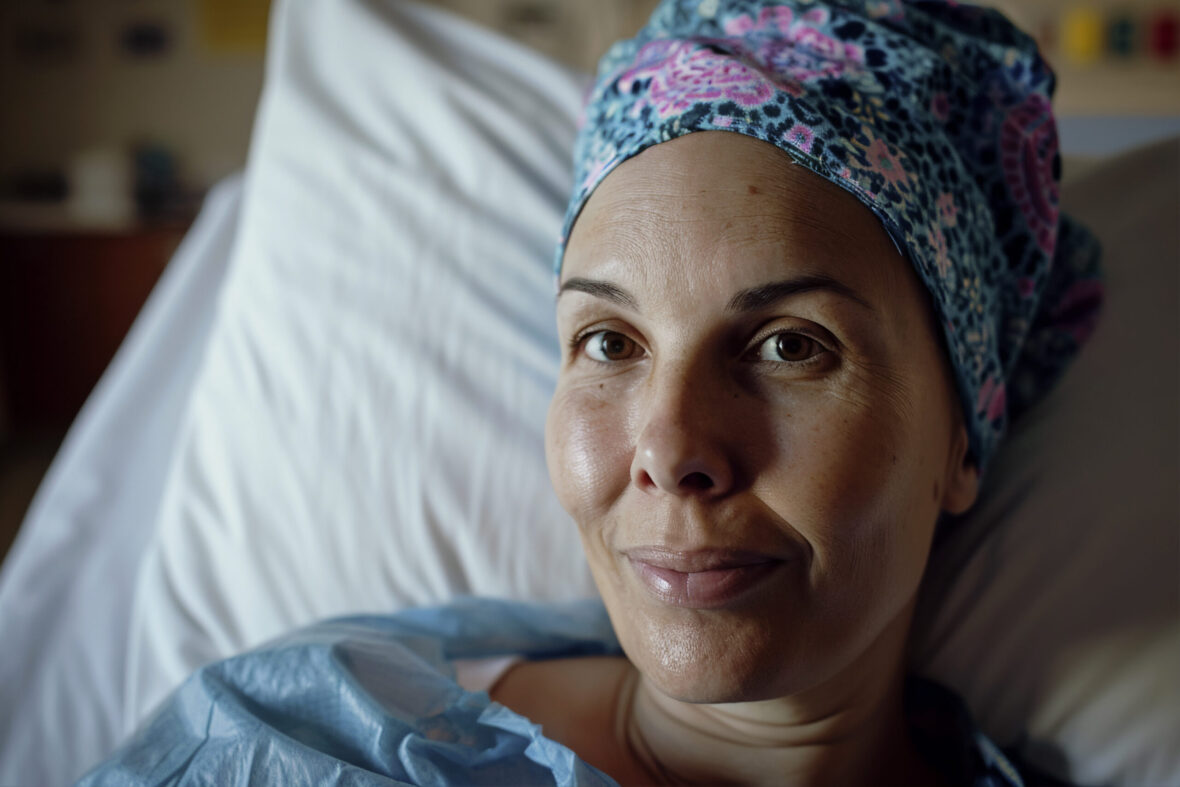
Cancer and its treatment can affect the body, mind and everyday function in profound ways. Surgery, chemotherapy, radiation and prolonged hospital stays may lead to changes in strength, mobility, endurance, sensation and cognition. Rehabilitation helps people recover function, manage symptoms and rebuild confidence so they can engage more fully in daily life.
Comprehensive Rehabilitation for Cancer Survivors
Cancer rehabilitation is a specialised, holistic approach that supports recovery before, during and after cancer treatment. It focuses on addressing physical limitations, fatigue, pain, emotional wellbeing and functional goals that matter most to each individual.
Programs are personalised to reflect the type of cancer, treatment history, overall health and individual priorities. A coordinated team works together to ensure all aspects of rehabilitation are considered and supported.
What Cancer Rehabilitation May Include
Cancer rehabilitation may involve a combination of therapeutic approaches to help restore function and improve quality of life:
- Physical therapy to rebuild strength, balance and mobility
- Exercise programs to combat fatigue and increase endurance
- Manual therapy and pain management techniques to reduce discomfort
- Occupational therapy to enhance independence with everyday tasks
- Cognitive support for thinking, attention and memory challenges
- Lymphoedema management when swelling affects limb function
- Breathing and respiratory therapy to support lung health
- Emotional and psychological support to address anxiety, adjustment and coping strategies
A Personalised, Multidisciplinary Approach
Rehabilitation following cancer is most effective when it is tailored to the individual and delivered by a multidisciplinary team. Specialists including physiotherapists, occupational therapists, exercise physiologists, psychologists, rehabilitation physicians and allied health professionals collaborate to develop and implement a tailored program.
The aim is not only to improve physical strength and mobility but also to support emotional resilience, independence and participation in meaningful activities.
Supporting Recovery at Every Stage
Cancer rehabilitation can begin at any point in the recovery journey—whether prior to treatment, during active therapy or in the months and years after treatment. Early engagement in rehabilitation can help prevent complications, maintain function and support a smoother recovery.
Regular review and progression of goals ensures that rehabilitation remains aligned with changing needs and personal aspirations. Education for both individuals and their families is an important component, empowering people to manage challenges and maintain gains beyond the clinical setting.
Through structured assessment, personalised planning and coordinated care, cancer rehabilitation aims to help individuals restore function, reduce limitations and improve overall quality of life.